
A lot of athletes talk about wanting a stronger core, but usually, they are not asking for more ab burn. They want to feel more solid when they sprint, lift, cut, or absorb contact. They want the middle of the body to do its share, so the lower back, hips, and shoulders are not always stepping in to clean things up.
That matters even more when the body is already carrying a lot. Long seasons, hard training blocks, practice volume, travel, and repeated impact all take something out of you. In that kind of setting, core work has to earn its place. It should help the athlete move better and hold position better, not just add more fatigue for the sake of it.
That is why more athletes are moving toward controlled resistance instead of endless floor circuits. Done well, it builds strength through the trunk while keeping the work cleaner and easier to recover from.
Why Traditional Core Work Stops Helping
A lot of standard core training gets repetitive fast. Crunches, long plank holds, rushed circuits, and random finisher sets can create effort, but effort is not always the same as useful adaptation. The athlete feels the burn, but the movement quality does not always improve.
That is where frustration creeps in. The work feels hard, yet the body still leaks force when sprinting, rotating, cutting, or lifting. In some cases, the lower back just ends up doing more of the job because the trunk is not learning how to stay organised under load.
A stronger core usually comes from better positioning, better breathing, and better control during movement. Not more chaos.
What A Stronger Core Actually Does
For athletes, the core is not just about the front of the body. It is the system that helps the ribs, spine, pelvis, and hips work together. It helps transfer force from the lower body to the upper body, which is why core stability training is often discussed in sports as part of safer, more efficient movement and injury prevention.
That is why smarter core work tends to look less dramatic than people expect. The goal is not to fold the body over and over. The goal is to resist collapse, resist rotation, control extension, and hold ga ood position while the limbs move.
When that improves, everything tends to feel more connected. Sprint mechanics feel sharper. Lifting feels more stable. Even simple movement starts looking more efficient.
Why Lower-Impact Resistance Works Better
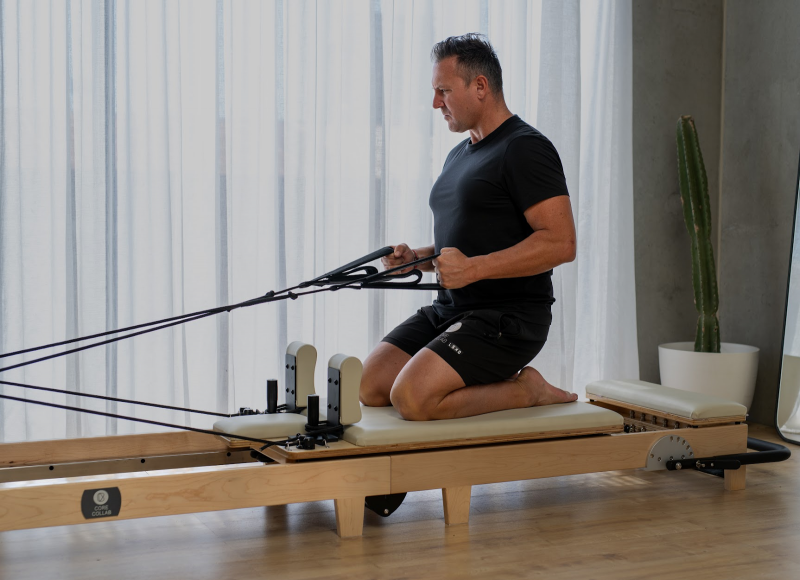
This is one reason reformer-style training keeps showing up in athletic settings. It gives the body resistance, but it does not force the trunk to work through constant pounding or sloppy fatigue. The load can be adjusted, and the ACSM physical activity guidelines continue to support regular muscle-strengthening work as part of a well-rounded training approach.
That is useful because the core often responds better to clean tension than to random exhaustion. Controlled resistance lets the body build strength while still paying attention to alignment. The challenge is real, but it is a different kind of hard.
For athletes using spring-based training, the right quality pilates accessories can also make the work more effective by improving grip, setup, comfort, and variation without changing the purpose of the session. Small equipment changes often have a bigger impact than people expect, especially when consistency matters.

Build The Core Through Better Patterns
The best core work usually sits inside bigger movement patterns. It shows up when the athlete has to brace during a press, stay stable during unilateral leg work, or resist twisting under tension. That is why stronger core training often looks more like integrated movement than isolated ab work.
A few patterns tend to carry over well:
Anti-rotation work that teaches the trunk to stay steady
Anti-extension work that keeps the ribs and pelvis organised
Unilateral strength work that exposes control deficits
Slow resisted movement that forces posture to stay honest
These patterns build something more useful than surface-level fatigue. They teach the body how to stay connected while producing force.
Why Reformer-Style Training Fits Athletes
Reformer-style work gives athletes a way to build these patterns without always adding impact or load in the traditional sense. It can challenge the trunk, hips, and shoulders all at once. It can also make weak links obvious very quickly.
That is part of why higher-intensity options like the Sculptformer keep entering the conversation. It sits in that reformer-style category for athletes who want a stronger, more athletic feel while keeping the session lower impact. The appeal is not novel. It is a fact that the body has to stay under control while working hard.
For athletes who already deal with enough mileage from their sport, that trade-off can make a lot of sense.
The Goal Is Strength You Can Use
The best core work should make the rest of the training feel better, not just harder. It should help the athlete hold position longer, transfer force more cleanly, and recover without feeling like the trunk got beaten up for no reason.
That is why more athletes are moving away from random high-rep ab sessions and toward structured resistance with better intent. The work feels more purposeful. Progress is easier to notice. And the body tends to carry it into real performance much more clearly.
Final Thoughts
A stronger core does not have to come with more wear and tear. In many cases, it gets built better through controlled resistance, cleaner patterns, and lower-impact work that still demands real effort. That is a smarter fit for athletes who already put enough stress on their bodies elsewhere.
The goal is not to feel wrecked. The goal is to feel stronger where it counts.
