
College sports sponsorship has changed significantly in recent years. The excitement of the game remains, but brand visibility has become a major part of the modern experience. Company logos now appear across uniforms, stadium signage, broadcasts, and digital media, reshaping how fans and athletes engage with each event.
More universities are forming partnerships with sponsors that want consistent exposure during games and throughout campus life. These agreements go beyond traditional advertising. They influence what athletes wear, how venues are designed, what appears on screen during broadcasts, and even what gets shared online.
Sponsorship growth has accelerated as athletic departments look for new ways to fund programs while brands seek access to younger audiences. From social media campaigns to stadium branding, college sports events now look and feel more commercial than they did in the past.
Social Media and Online Exposure
College teams are no longer confined to stadiums. They are also present daily through Instagram, YouTube, TikTok, and other platforms where fans follow highlights, interviews, and behind-the-scenes content.
Brands frequently appear in these posts through tagged partnerships, logo placement, sponsored backdrops, or coordinated promotional campaigns. A short video may include a branded interview wall or a sponsor logo on an athlete’s warm-up gear. Because online engagement extends far beyond game day, sponsorship visibility now reaches a much larger audience.
For sponsors, social media offers a strong return on investment with relatively low cost. For universities, these partnerships provide financial support while keeping programs competitive and visible.
Sponsorship strategies also expand into digital entertainment spaces, where businesses connect with college sports audiences through targeted campaigns — for example, popular online casino gaming platforms used by Canadians.
More Logos on Jerseys and Equipment
Seeing sponsor logos on college jerseys is now increasingly common. Uniforms that once featured only school colours and numbers may now include branding on sleeves, shoulders, or other visible areas. Athlete apparel has become one of the most direct forms of sponsor exposure during games, interviews, and highlight reels.
Beyond uniforms, branded equipment such as water bottles, benches, training gear, and even game balls often display sponsor names. These items regularly appear in media coverage and promotional photography, turning nearly every part of the event into an opportunity for visibility.
While some fans prefer the traditional look of unbranded uniforms, many now view sponsorship as a normal part of today’s college sports environment.
Stadiums and Arenas as Advertising Space
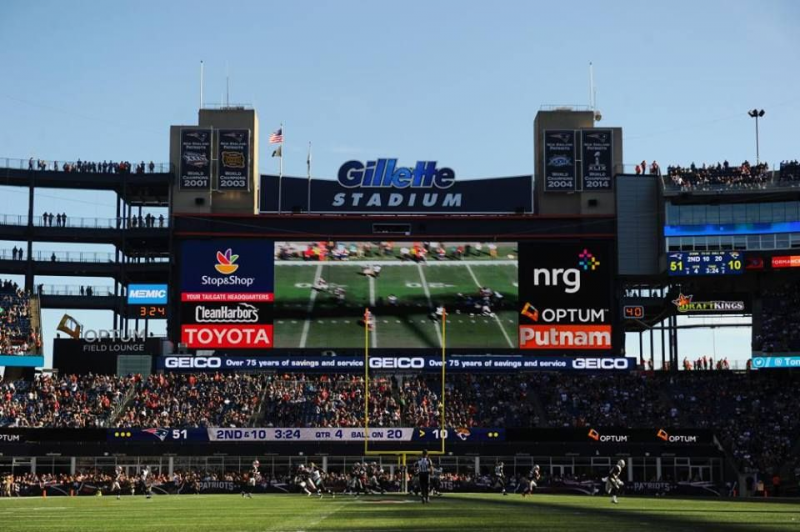
Walking into a college stadium today means encountering branding throughout the venue. Banners along railings, logos painted near the field, LED displays, and sponsored fan zones have become standard features.
In some cases, universities also enter naming rights agreements, in which an arena or stadium is named after a corporate partner. These deals reflect how athletic facilities have become valuable marketing spaces, not just competition venues.
Sponsorship also influences the atmosphere. The setting can feel more commercial, potentially altering how fans emotionally connect with their teams. Sponsors often aim to balance visibility with subtle integration to keep the game the main focus.
Game Broadcasts with Branded Features
Televised and streamed college games provide another major platform for sponsorship exposure. Logos may appear during replays, in score graphics, or in sponsored segments such as halftime analysis or player spotlights.
Rather than interrupting gameplay, these sponsor features are built into the broadcast structure. Viewers increasingly encounter games in which brand names are part of the visual layout and commentary.
Sponsors value this approach because it connects their name to exciting moments. Universities benefit because broadcast partnerships help fund improvements in production and wider distribution.
College Budgets and Branding Decisions
Most athletic departments do not treat sponsorship as optional. Running a college sports program requires significant funding, and ticket sales or student fees rarely cover all expenses. Sponsorship revenue helps support travel, facilities, equipment, staffing, and scholarships.
Because of this reliance, sponsorship can shape important decisions. Uniform designs, stadium renovations, promotional events, and even scheduling priorities may shift to meet sponsor expectations.
This creates an ongoing trade-off between maintaining a traditional college sports identity and securing the financial stability needed to sustain high-level programs.
Wrap Up
College sports have evolved, and sponsorship visibility is among the strongest forces driving that change. From the uniforms athletes wear to the digital content fans consume, branding is now woven into nearly every part of the experience.
Sponsorship brings valuable funding and exposure, but it also transforms the look and atmosphere of college athletics. The games remain familiar, yet the environment surrounding them continues to reflect a new era of commercial partnership and modern sports presentation.
