
Attending a high-capacity college sporting event involves significant crowd density and energy. Between the roaring crowds and the high stakes of the game, it's easy to get swept up in the moment. However, these massive venues present unique risks that can turn a Saturday afternoon into legal and medical complications.
Maintaining safety involves more than just locating a seat or wearing team colors. It is helpful to identify physical hazards inherent in older infrastructure and densely populated sections. When thousands of people occupy a small space, the margin for error shrinks significantly.
Why Do College Stadiums Present Unique Physical Hazards?
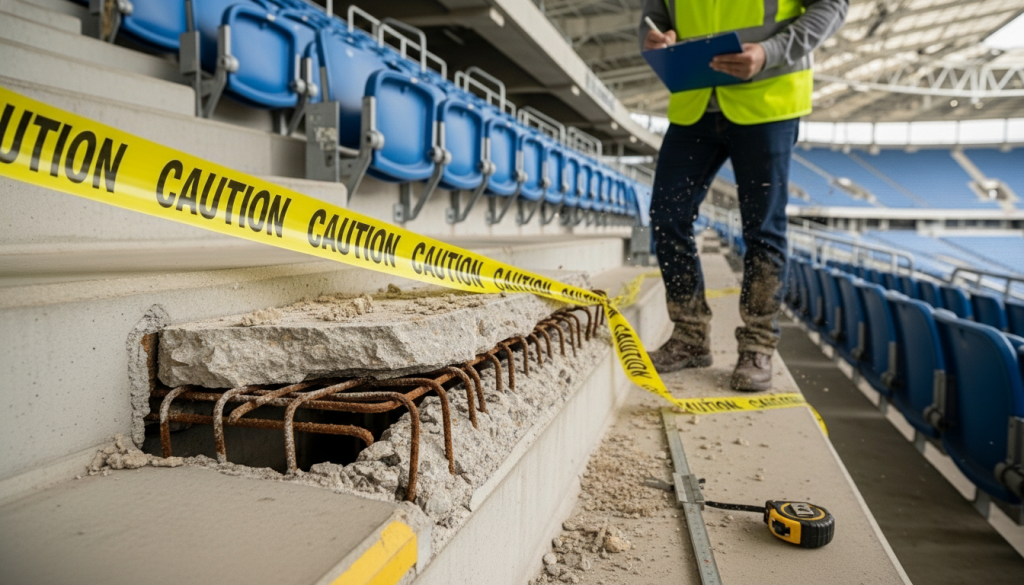
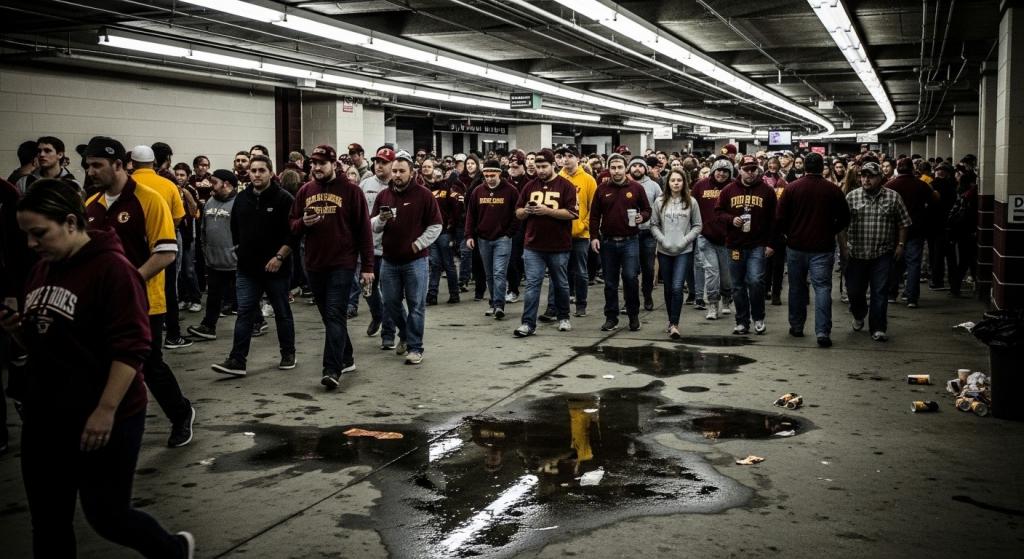
College venues are often decades old, with narrow aisles and steep concrete stairs lacking modern safety features. Combined with dense crowds, these conditions create significant slip and fall risks. When fans rush to seats or surge forward during touchdowns, inadequate guardrails or lighting can cause serious falls.
In areas with frequent sporting events, such as Spartanburg, South Carolina, such cases occur regularly. Focusing on the outcome of an accident can be tiring, especially when dealing with complex legal matters. If you are in a similar situation and are unsure what to do next, a Spartanburg personal injury lawyer at Stewart Law Offices can help tackle all the legal steps. Older facilities may require more frequent inspection due to irregular spacing and dated infrastructure.
If you are in Spartanburg and are facing such a scenario, you can visit the Stewart Law Offices at 409 S Pine St, 29302, located at 5 minutes distance from Fifth Third Park, or you can have a direct discussion with a professional by calling 864-583-2223.
How Does The Legal Principle Of Premises Liability Apply?
When an injury occurs on campus grounds, legal professionals examine the concept of premises liability to determine responsibility. This area of law evaluates whether the property owner maintained a reasonably safe environment for visitors. Several factors influence how these situations are analyzed by legal teams.
What Is The Duty Of Care?
Property owners must inspect the premises for hidden dangers and repair known hazards. For spectators, this means expecting that stairs are stable and walkways are free from debris.
When Does Notice Matter?
A university may be held responsible if staff knew about a broken railing but failed to fix it. This notice is a foundational element in many personal injury cases today.
How Does Comparative Negligence Work?
State laws often consider whether the spectator contributed to their own injury. Damages might be reduced if a person's own actions played a role.
What Are The Most Common Myths Regarding Spectator Rights?
Many fans believe that the disclaimer printed on the back of a ticket acts as a total waiver of their rights. While these assumptions of risk clauses are common, they typically only cover the inherent risks of the sport, like a foul ball or a stray pass. They rarely protect a venue from gross negligence or poor maintenance.
According to Sam Bass, a Spartanburg personal injury lawyer, "The fine print on your ticket doesn't shield a stadium from accountability when preventable hazards like broken railings or wet floors cause injuries."
Why Is Evidence Preservation Important Following An Incident?
Proper documentation becomes important, whether an injury requires immediate emergency care or treatment at a primary care facility. Data from the CDC shows that 36.6% of sports and recreation-related injuries resulted in emergency department visits without hospitalization, while 50% were treated at doctors' offices or clinics, emphasizing the importance of documenting care at any level. What you need to do is,
Take high-quality photos of the exact spot where the injury occurred, focusing on poor lighting, wet floors, or broken steps.
Collect contact information from nearby witnesses who saw the event happen.
Report the incident to stadium security or campus police immediately to ensure an official paper trail exists.
Keep the shoes and clothing worn during the incident as physical evidence.
Seeking a medical evaluation allows for the professional documentation of any injuries sustained.
What Practical Steps Can Fans Take To Stay Safe?
Prevention is always more effective than a legal battle. Fans may choose to arrive before peak times to identify exits and first aid stations. Wear sturdy, closed-toe shoes with good traction to prevent slips on wet concrete or steep bleachers.
Cases have been documented where spectators have fallen due to deteriorating infrastructure, such as crumbling staircases in older venues. In some instances, facilities may be aware of hazards but fail to implement adequate repairs or warnings. Alerting stadium staff to potential hazards contributes to the safety of all attendees.
Frequently Asked Questions
What should I do if I am injured by a rowdy fan?
Report the behavior to security immediately. Universities must provide adequate security to manage foreseeable crowd conduct.
Does a ticket waiver prevent me from filing a claim?
Not necessarily. Waivers usually cover inherent game risks but do not excuse failing to maintain basic safety.
How long do I have to report a stadium injury?
Statutes of limitations vary by state. It is best to report the incident and seek advice quickly.
