
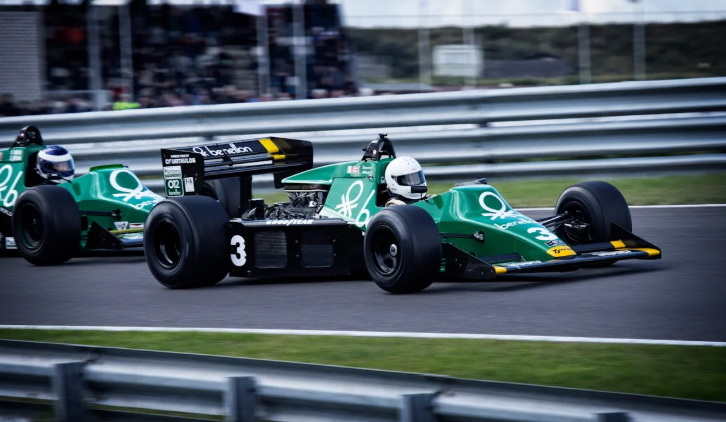
A race weekend looks clean and simple when you watch it from the stands or on TV. Cars roll out, the lights go out, and everything seems to run on perfect timing. But if you’ve ever wondered how motorsport events stay organized with so many moving parts, you’re not alone. Most fans never see the work that happens before the first engine even starts. Tracks don’t just “get ready” by themselves, and teams don’t show up and magically fit into place. Every session depends on planning, safety checks, schedules, and people who know how to solve problems fast. In this article, you’ll get a clear look at what really happens behind the scenes to make a race weekend run smoothly.
Sponsorship and Hospitality Run in the Background
Sponsorship plays a huge role in motorsports because it helps fund the team, cover travel, support equipment costs, and keep long seasons possible. But it’s not just about sticking a logo on a car and calling it a deal. Teams work hard to give partners real value through brand placement, social media content, driver appearances, and trackside exposure that matches what was promised. That means someone has to plan what gets filmed, what gets posted, and how the sponsor’s goals stay on track all weekend. This work often comes from people who understand marketing and relationship building, and some even pursue a Masters degree in Motorsports Management to step into higher-level sponsorship roles. When sponsorship runs smoothly, teams avoid last-minute stress and sponsors feel confident they invested in the right place. It also builds long-term trust, which matters more than a one-time deal. Strong sponsor support can be the difference between a team surviving one season or competing for years.
The Media Machine Works All Weekend
Motorsport coverage doesn’t happen automatically. Media teams plan shot lists, interview times, and track access before the weekend even starts. Photographers and video crews need safe places to work, and they must follow strict rules around barriers and restricted zones. Broadcasters coordinate with race control so they know when sessions start, pause, or restart. Social media teams work in real time too, sharing updates, clips, and driver reactions while fans stay glued to their phones. Press officers help manage interviews and keep drivers from getting pulled in too many directions. Even smaller racing events usually have someone handling media and messaging because sponsors expect visibility. Good media work keeps fans informed and helps motorsport grow.
Track Inspections Start the Weekend Early
Before anyone calls it a race weekend, the track has to prove it’s ready. Officials and track staff check the racing surface for cracks, loose patches, or anything that could upset a car at speed. They walk key areas like corner entries, curbs, and run-off zones because small problems become serious very quickly in motorsport. They also look for debris from earlier activity, like stones, rubber buildup, or broken parts. Safety barriers, fencing, and access gates matter too, because track crews may need to reach an incident area fast. Even signs and track markings get attention, since drivers rely on them for braking points and awareness. This early work helps prevent avoidable delays later.
Safety Planning Happens Long Before Fans Arrive
A well-run race weekend depends on safety planning that most people never think about. The event team prepares procedures for things like crashes, fires, extreme weather, and medical response. This planning is not about expecting the worst every minute, but about being ready if something goes wrong. Track staff coordinate with marshals, medical teams, and local emergency services so everyone knows what to do and where to go. They also plan how ambulances and response vehicles will move quickly without blocking the race. Clear communication rules matter, too, because confusion wastes time in high-pressure moments. When safety planning is done right, it fades into the background, which is exactly the goal.
Team Arrival Is a Controlled Operation
When teams arrive, the weekend shifts from preparation to coordination. Trucks and trailers don’t just pull in whenever they want. Tracks schedule arrivals so traffic stays manageable and the paddock doesn’t turn into a mess. Each team needs assigned space for garages, equipment, tires, fuel storage rules, and crew access. Staff guide teams to the right spots and help keep lanes clear for safety vehicles and deliveries. Even something as basic as power hookups and lighting needs planning, especially for events that run into the evening. Teams also start building their workspaces right away, from tool stations to data setups. A smooth load-in saves time and reduces stress before the first session.
Timing and Radios Run the Entire Show
Motorsport depends on timing and communication more than most sports. Timing systems track laps, gaps, sector times, and position changes so teams can make smart calls. Without accurate timing, strategy falls apart fast. That’s why crews check transponders, sensors, and system feeds early in the weekend. Radios matter just as much because they connect race control, marshals, safety teams, and event staff. Everyone needs clear channels and strong signal coverage across the full track. If radios fail, decisions slow down and confusion spreads. Teams also rely on fast updates to understand incidents, session delays, and rule changes. When timing and radios work smoothly, the weekend feels professional, even when problems pop up.
Pit Lane Discipline Matters More Than Speed
The pit lane looks like pure action, but it runs on strict control. Event staff and officials manage where people can stand, when equipment can move, and who has access. Most series enforce pit speed limits, and teams risk penalties if their driver breaks them. Crew members also follow safety rules like wearing protective gear and staying inside their working area. Even small mistakes, like a loose wheel or a tool left in the wrong place, can cause accidents or delays. Many events also use pit lane marshals to keep movement organized and to spot unsafe behavior quickly. When the pit lane stays calm and controlled, teams can focus on clean stops and better strategy.
Race weekends look smooth because hundreds of people handle details most fans never notice. Track inspections, safety planning, team setup, and official communication all happen before the first session begins. Then the pressure rises as pit lane rules, media work, sponsor needs, and fan services all run at the same time. When any one piece slips, the whole schedule can suffer. The best events feel effortless because crews plan carefully and react fast when problems show up. If you love motorsport, learning about the behind-the-scenes work can change how you watch racing. You start noticing the planning, the teamwork, and the people who make it all possible. The racing matters, but the organization makes it happen.
